From Friday afternoon until Saturday night almost nothing in Tzfat (Safed) is open: shops, galleries, restaurants and city buses all stop, and the Old City becomes one long, candlelit walk between synagogues. That is not a problem to plan around; it is the reason to come. Kabbalat Shabbat, the Friday-evening service sung in every synagogue on earth, was born in these alleys in the 1500s, and you can still hear it where it started. Here is what closes and when, where a visitor can join the prayers, how to sort out meals, and how to spend the quiet hours between.
Ashkenazi speakers say “Tzfas”; older maps write “Zefat” or “Tsfat”. It is all the same hill.
Why Shabbat here is different: the fields of the mystics
In the sixteenth century Safed held the densest gathering of Jewish mystics the world has seen, and they changed how Friday evening is kept. The Talmud (Shabbat 119a) describes two sages who dressed in their finest at dusk to greet Shabbat as a bride and a queen. For a thousand years that remained a story. In Safed it became a practice.
The kabbalists left the city before sunset and walked out to the fields, dressed in white, to sing psalms and welcome the Shabbat bride. Rabbi Shlomo Alkabetz, who reached Safed around 1535, composed “Lecha Dodi” for these gatherings, signing his name, Shlomo HaLevi, in the acrostic of its first eight stanzas. The Ari (Rabbi Yitzhak Luria, 1534–1572) went out with his disciples to a field at the edge of town, facing west toward the setting sun, and adopted Alkabetz’s hymn into his own order of prayer. The Ramak, Alkabetz’s student and brother-in-law, framed the service with its run of psalms, though he argued that Shabbat is better received inside the synagogue than out in a field.
The field the Ari walked to is now a building. The Ari Ashkenazi Synagogue stands on the spot by tradition; the Greek-Sephardi congregation who built it finished the work a few years after his death in 1572. When your congregation turns to the door for the last stanza of “Lecha Dodi”, wherever you are in the world, you are repeating the moment the Safed mystics turned west toward Meron. The sages of Tzfat pages tell the fuller story; the audio tours walk you past each site.
Candle lighting in Safed: 30 minutes before sunset
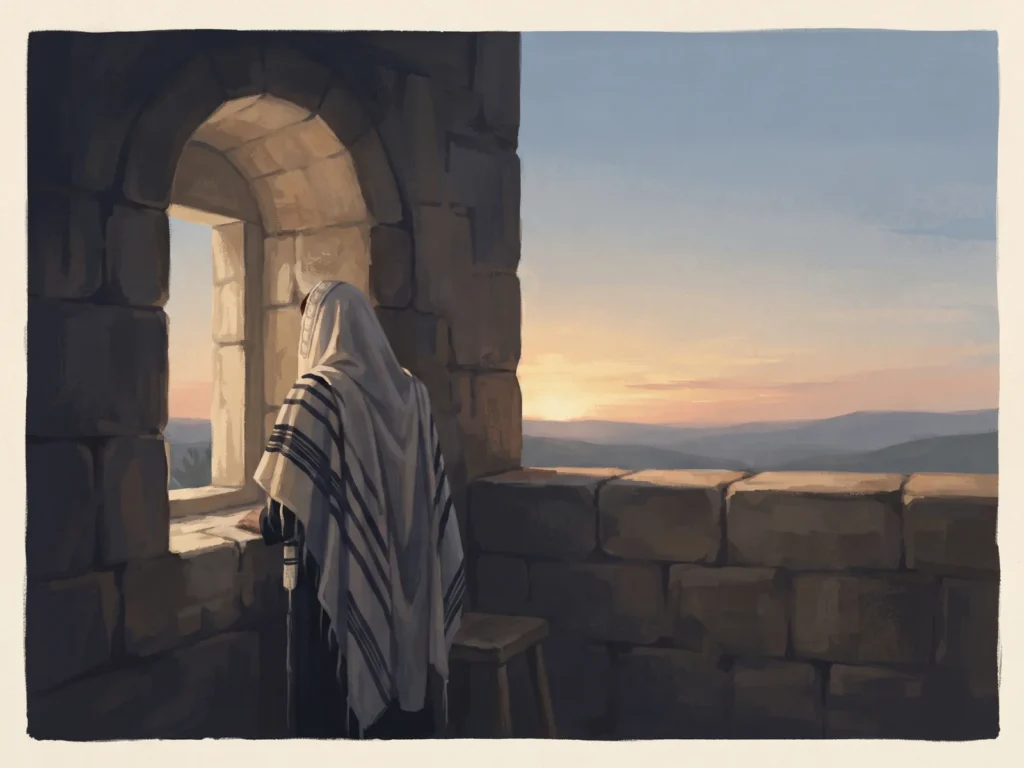
Most of the Jewish world lights Shabbat candles 18 minutes before sunset, and many Israeli cities use 20. Jerusalem famously uses 40. Safed, like Haifa and Zikhron Ya’akov, uses 30, and the Shabbat times on this site follow that custom.
Why the gap? There is no documented decree. The principle is tosefet Shabbat, adding a little of Friday to Shabbat rather than cutting it fine, and each community settled on a round number. For hill cities the usual explanation is practical: when a mountain blocks the horizon you cannot see the sun actually set, so you stop earlier to be safe. Safed is Israel’s highest town, 800 to 900 metres depending on the hilltop, with Meron rising to the west. Thirty minutes is the margin its rabbis chose, and it has stuck.
In practice: on a late-November Friday candle lighting is about 4:04 pm and Shabbat ends about 5:13 pm on Saturday; in late June lighting is after 7 pm. Check the week on our events page or on Chabad.org, which lists “Tzefat” at 30 minutes.
The Friday timeline: what closes and when
Safed closes gradually. Confirm times with your host.
- Friday morning (8–11 am). The busiest shopping hours of the week. Bakeries on Jerusalem Street sell challah; the caterers on the same street sell ready-made Shabbat food to take back to your room. Buy it now.
- Around midday. Galleries in the Artists’ Quarter and Old City shops begin closing, earlier in winter, later in summer; well before candle lighting most are shut.
- Early afternoon. Most inter-city lines make their last regular Friday runs around or soon after midday (the Jerusalem 982 at noon, the Karmiel 364 by about 1 pm) and city buses stop. Taxis become scarce; book ahead if you need one.
- One hour before. Restaurants are closed; the streets fill with people carrying flowers and wine. Many men go to the mikveh (ritual bath); the Ari’s spring-fed mikveh below the old cemetery is the famous one and is icy year-round (see mikvaot).
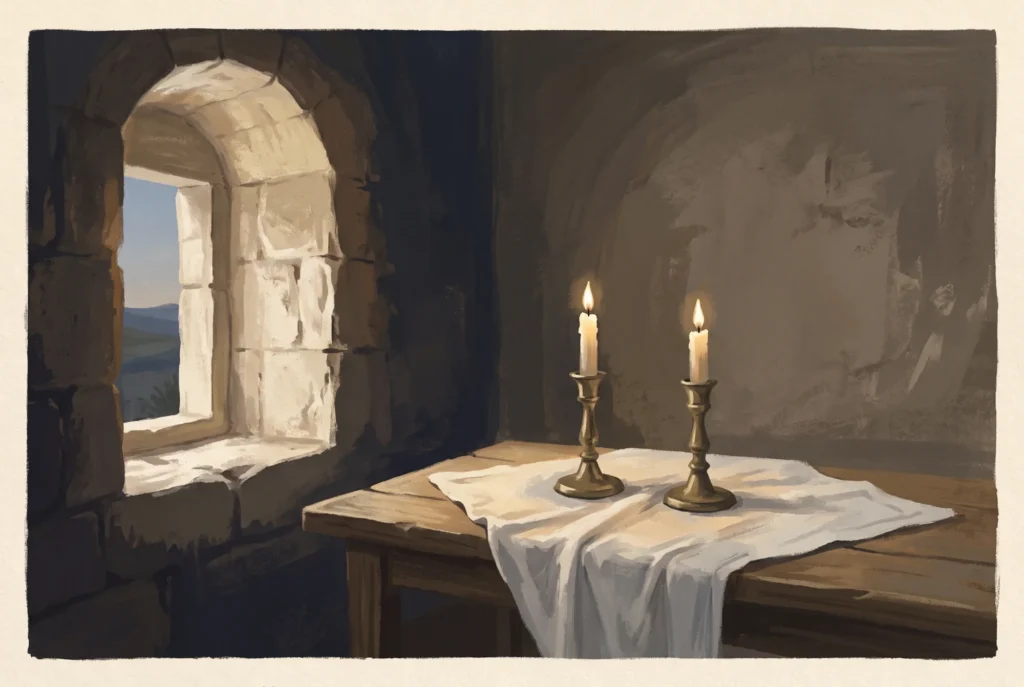
- Candle lighting (sunset minus 30). Car noise stops, singing starts.
- Sunset to nightfall. Mincha, Kabbalat Shabbat and Maariv in every synagogue, then home for the meal.
Buses, taxis and the Shabbat-bus dispute
City buses do not run from Friday afternoon until Saturday night. Regional lines to Haifa (361), Nahariya (367) and Kiryat Shmona (511) have for some years run a few Friday-evening and Shabbat trips from the Central Bus Station at the bottom of Jerusalem Street, and in summer 2026 those trips drew weekly haredi protests at “Egged Square”, with the Transport Ministry saying it had no plans to cut them. Do not build an itinerary on them: they are infrequent, leave from the station rather than the Old City, and the dispute is unresolved. If you must leave Safed on Saturday, a pre-booked taxi is the realistic option; ask your host for a driver who works Shabbat. Some haredi neighbourhoods close their streets to vehicles on Shabbat; the Old City does not, but driving through it is poor manners and you will feel it.
Where visitors can join Kabbalat Shabbat
Every synagogue in Safed welcomes strangers on Friday night; the question is which atmosphere you want. Full listings are under synagogues.
Beirav (the Carlebach minyan). Named for Rabbi Yaakov Beirav, who tried to restore rabbinic ordination here in the 1530s, the building was reoccupied in the 1990s by English-speaking immigrants, and since 1997 has hosted a service in the melodies of Rabbi Shlomo Carlebach. It is tiny, packed, and the singing and dancing spill into the lane. Most of the crowd are English speakers, many not observant, so it is the easiest first Kabbalat Shabbat for a newcomer. Arrive early or stand outside and listen.
Ari Ashkenazi. The synagogue on the Ari’s field, rebuilt in 1857 after the 1837 earthquake, with an olive-wood ark carved by a Galician craftsman; locals say its crown is bent because the ark was built too tall for the room. Nusach Ashkenaz, a mixed crowd of Hasidic, Sephardi and visiting worshippers. Look for the shrapnel mark by the bimah from a 1948 shell that fell in the courtyard while the building was full; no one was hurt.
Ari Sephardi. The oldest standing synagogue in town, on the cemetery edge, where the Ari studied and, by tradition, was taught by Elijah in a small side room. A steady Sephardi minyan, quieter than Beirav.
Abuhav. Painted dome, a Torah scroll that tradition attributes to Rabbi Abuhav himself and that is read only on Rosh Hashanah, Yom Kippur and Shavuot, Sephardi service, and usually less crowded than you fear.
The Breslov synagogue. The largest in Safed, overlooking the old cemetery and seating hundreds. Friday night in summer begins with Mincha around 6:30 pm and runs about two hours, standing room only in the men’s section, intense and joyful at once. Shabbat morning starts around 7 am, followed by a kiddush where Rabbi Nachman’s stories are told.
Avritch (Bat Ayin) has had a Sephardi minyan since the 1800s, the Yosef Caro Synagogue runs Sephardi services on Shabbat, and the Hasidic shuls all let visitors slip in at the back. Start times shift with sunset and are rarely posted online: ask at your guesthouse on Friday morning, or follow the people in white shirts.
Shabbat etiquette box
- Dress. Modest: long trousers or a skirt below the knee, shoulders covered; men wear a kippah inside (spares sit by most doors). White is traditional here and never wrong.
- Phones and cameras. Out of sight from candle lighting until Saturday night, in synagogues and in the streets. Photographing worshippers on Shabbat is the one thing that earns a sharp word.
- Sections. Men and women sit separately; follow the signs or the crowd. Standing at the back is fine.
- Money. Nothing is bought, sold or tipped on Shabbat. Pre-pay everything Friday.
- Singing and dancing. Join in; you do not need the words.
- Greetings. “Shabbat shalom” until dark on Saturday, then “shavua tov” (good week).
- Smoking and music. Not in public in the Old City until Shabbat ends.
Shabbat meals: how to eat when nothing is open
Plan this before Friday noon.
- Stay somewhere that feeds you. Several Old City guesthouses and the larger hotels serve Friday dinner and Saturday lunch, and the big hotels take pre-paid orders for Shabbat meals, so no money changes hands on the day; ask whether non-guests can book. Ask when you book; see accommodations.
- Home hospitality. Hundreds of Safed families host visitors for Shabbat meals, and several outreach centres and yeshivot in the Old City match guests with hosts, often at short notice. Ask on Thursday or Friday morning; guests are usually sent in pairs with an address and a hand-drawn map, and getting lost in the alleys on the way is part of the tradition.
- Take-away from Jerusalem Street. Friday-morning caterers and food halls sell challah, salads, meat and ready-made Shabbat dishes. Ask whether your guesthouse has a fridge and a hot-plate (plata) left on for Shabbat. See restaurants.
- The eruv. Like nearly every Israeli town, Safed relies on a municipal eruv (a boundary that permits carrying outdoors on Shabbat) for carrying a key or a bottle of wine to your host. Check with your host that it is up that week, especially if you are strict about which eruv you rely on.
Walking Safed on Shabbat: what to do without money or a phone
Shabbat removes everything that costs money and leaves the two things Safed does best: stone and sky.
The Old City loop (about an hour). Start at Kikar HaMeginim (Defenders’ Square), drop through the Blue Alley, pass Abuhav and the Ari Ashkenazi, and come out above the old cemetery, where the kevarim (graves) of the Ari, Rabbi Yosef Karo, Alkabetz and the Ramak lie. The cemetery is open on Shabbat and at its quietest then; visiting is permitted, lighting candles, writing notes or photographing is not, so bring a Tehillim (Psalms). See kevarim and the hilula calendar for whose yahrzeit falls this week.
The lookouts. The Citadel park (Gan HaMetzuda) at the top of town is open round the clock, with Crusader ruins, a 1948 memorial and, on a clear day, the Kinneret. The Talmud Yerushalmi names Safed as one of the hilltops where bonfires announced the new month; stand here on Friday evening and you understand why. For the sunset itself, any west-facing terrace over the Artists’ Quarter looks straight at Meron, the hill the mystics faced.
Shabbat afternoon. Nap, join a shiur (class) if one is announced, or sit in the Saraya square and watch families walk. For where to study afterwards, see learning Kabbalah in Tzfat.
Saturday night: havdalah and when the town wakes up
Shabbat ends at nightfall, roughly 35 to 40 minutes after sunset on Israeli calendars. You will know: phones switch on, engines start, and from the courtyards you hear havdalah, the short ceremony over wine, spices and a braided candle.
Then Safed stretches. The falafel and pizza places on Jerusalem Street usually reopen within an hour or so; cafés and larger restaurants follow, and most Old City galleries stay shut until Sunday morning. In summer the Saturday-night crowd on the midrechov (pedestrian street) is lively past midnight; in winter it is a quiet hour and then bed. If you are leaving Saturday night, book the taxi before Shabbat and do not count on a bus before 8 or 9 pm.
Practicalities for non-observant visitors
You are welcome, and nobody will quiz you. Israeli hotels give a physical key instead of a card on request; if you are not observing, your card works as normal, so just be discreet in the corridors. Larger hotels run a Shabbat elevator that stops at every floor automatically; take the other one. If you share a guesthouse with observant guests, set lights and air-conditioning before Friday evening. Fill up and park the car on Friday and leave it: the Old City and haredi neighbourhoods are no place to drive. Phones are fine, but keep them out of sight in the Old City; the quiet is what you came for.
Keep reading
Frequently asked questions
Is anything open in Safed on Saturday? No. Shops, galleries, restaurants, museums and the visitor centre all close from Friday afternoon until Saturday night. Hotels and guesthouses operate, synagogues and the old cemetery are open, and the Citadel park never closes. Buy food on Friday morning.
What time does Shabbat start in Safed? Thirty minutes before sunset, which is the local candle-lighting custom (Jerusalem uses 40, most other Israeli cities 18 or 20). In late November that is about 4:04 pm; in late June after 7 pm. Shabbat ends roughly 35 to 40 minutes after sunset on Saturday.
Can tourists attend Kabbalat Shabbat in Safed? Yes, in every synagogue. The Carlebach-style minyan at Beirav is the most welcoming for first-timers; the Ari Ashkenazi, Ari Sephardi, Abuhav and the large Breslov synagogue all have Friday-night services open to visitors. Dress modestly, sit in the right section, and leave the phone in your pocket.
Where can I get Shabbat meals in Safed? Book a guesthouse or hotel that serves meals, arrange home hospitality through one of the Old City outreach centres, or buy ready-made food from the caterers on Jerusalem Street on Friday morning. Everything must be paid for before Shabbat.
Do buses run in Safed on Shabbat? City buses do not. Three regional lines (361 Haifa, 367 Nahariya, 511 Kiryat Shmona) have run limited Shabbat trips from the bus station, which became the subject of protests in 2026. Treat them as unreliable; use a pre-booked taxi if you must travel.
Why was Kabbalat Shabbat created in Safed? In the 1500s the kabbalists of Safed, including Alkabetz, the Ramak and the Ari, turned a Talmudic image of greeting Shabbat as a bride into a weekly ritual, going out to the fields to sing psalms and Alkabetz’s “Lecha Dodi”. The Ari included the hymn in his siddur and the custom spread to every Jewish community.
Sources
- National Library of Israel – An Introduction to Kabbalat Shabbat — Talmudic precedents, the Ari going out to the fields in white, Ramak’s psalms and his preference for the synagogue, Alkabetz dates.
- Shalom Hartman Institute – L’cha Dodi and the kabbalist background — Alkabetz 1505–1584, Ari facing west, Cordovero’s objection, the six psalms.
- Jewish Virtual Library – Solomon ben Moses Alkabetz — arrival in Safed c. 1535, dates c. 1505–1580, Cordovero as disciple and brother-in-law.
- Chabad.org – Lecha Dodi — acrostic “Shlomo HaLevi” in the first eight stanzas; the Ari’s siddur.
- Peninei Halakha – Kabbalat Shabbat — the Ari welcoming Shabbat in a field facing west; turning west/to the door; tosefet Shabbat.
- Jewish Virtual Library – The HaAri Synagogues — Ari Ashkenazi on the site of the field, 1837 earthquake and 1857 rebuilding, 1948 shrapnel, Elijah’s room at Ari Sephardi.
- Wikipedia – Ari Ashkenazi Synagogue — Greek Sephardi founders, olive-wood ark, Ari’s death 1572.
- Chabad.org – Candle-lighting times for Tzefat — “Candle lighting is 30 mins. before sunset”; 20–21 Nov 2026 times.
- MyZmanim – Safed — independent confirmation of the 30-minute offset and sunset times.
- Hebcal – How accurate are candle lighting times — 18 default, Jerusalem 40, Haifa and Zikhron 30.
- Wikipedia – Shabbat candles — mountains-blocking-the-horizon explanation for early lighting in hill cities.
- Israel National News – Shabbat buses in Tzfat (July 2026) — lines 361/511/367, Friday ~6 pm departures, protests and arrests.
- JDN – Shabbat lines 361/367/511 (July 2026) — passenger figures, 1991 ordinance, Ministry response.
- Ynetnews – ninth weekend of protests (Aug 2026) — “Egged Square”, ninth weekend of protests, Nateev Express, no vehicles or buses in the Tzahal–Ma’or Haim neighbourhood on Shabbat.
- Safed.co.il – Transportation — bus station location, operators, taxi numbers.
- Safed.co.il – Shabbat hospitality — hundreds of host families, guests sent in pairs with maps, nothing open on Shabbat.
- Zissil – Safed Restaurants — all kosher, none open on Shabbat, Friday-morning take-away on Jerusalem Street, hotel meal pre-orders.
- Safed.co.il – The Breslov Synagogue — capacity, summer Mincha 6:30 pm, Shabbat morning 7 am, kiddush stories.
- Jewish Virtual Library – The Beirav Synagogue — 1990s Anglo re-occupation, congregation founded 1997, Carlebach melodies.
- Al-Monitor – Tourists seek spiritual high in Safed — crowds outside Beirav, sunset circles on the fortress and lookouts facing Meron.
- Mako – Safed travel feature (Hebrew) — Friday challah run, Jerusalem Street Shabbat food, bent crown on the Ari Ashkenazi ark.
- Safed.co.il – The Citadel park — 834 m, Kinneret view, memorial, access.
- Zissil – Metzuda of Safed — Talmud Yerushalmi new-moon bonfires, park open continuously.
- Kashrut.com – Shabbos in a hotel — manual keys in Israeli hotels, sensor lights.
- Moovit line 982 and Moovit line 364 — last Friday departures (12:00 and 13:15).
- Jewish Virtual Library – The Abuhav Synagogue — scroll attributed to Abuhav, read on Rosh Hashanah, Yom Kippur and Shavuot.